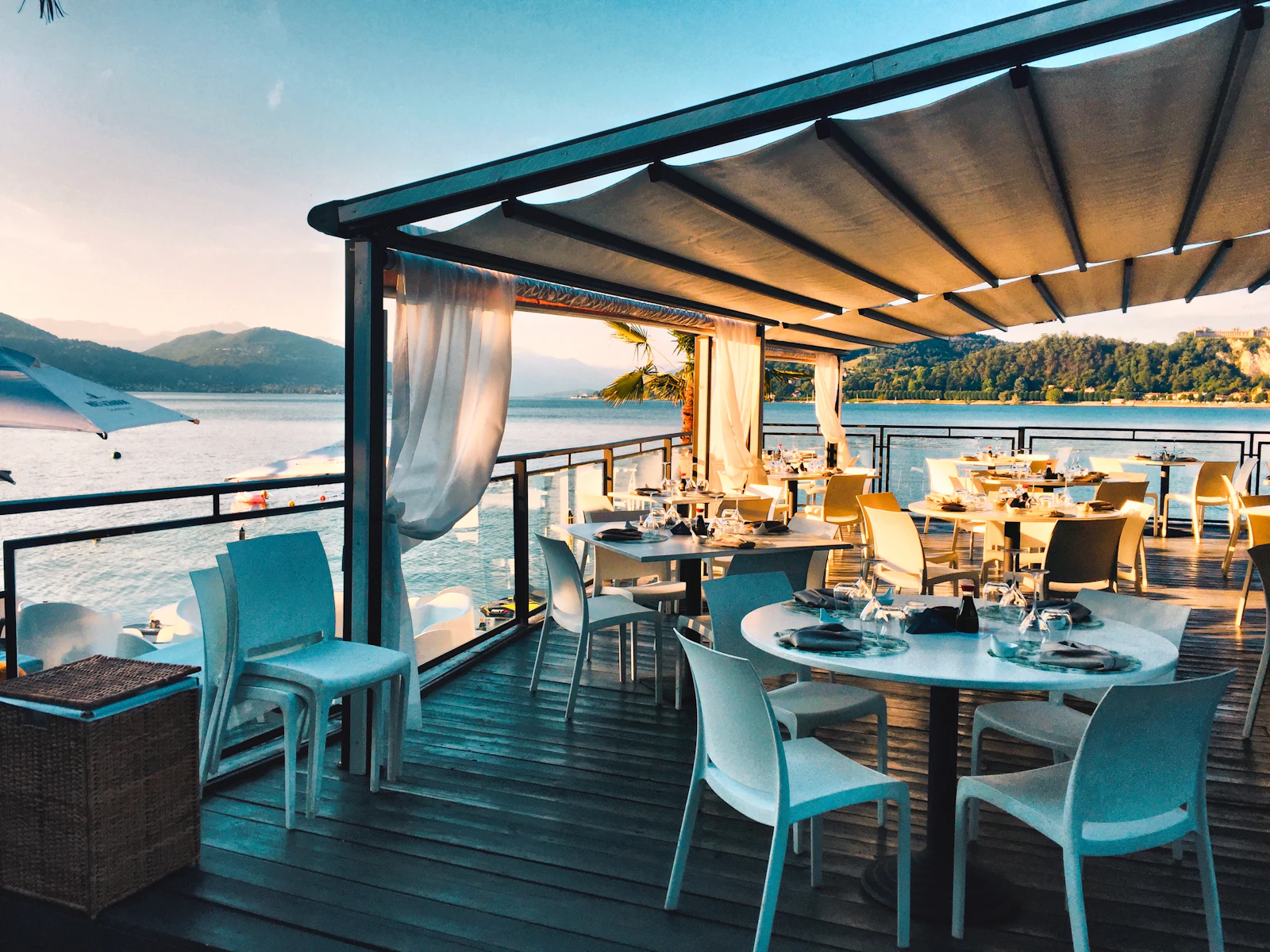
First Steps to Turn Your Cafe Dream into Reality
Cafe management is a journey that leads to success with proper planning and passion. In this guide, you will find the steps to take when starting a cafe from scratch, ways to avoid common mistakes, and strategies to make your business sustainable. Whether you are a first-time entrepreneur or looking to bring a fresh perspective to the industry, these steps will guide you.
1. Define Your Concept and Target Audience
The character of your cafe is the foundation of everything. What style of cafe do you want to open? For example:
- Specialty coffee shop: Aligned with the third wave coffee movement, featuring single-origin beans and alternative brewing methods.
- Cozy workspace: Quiet, with plenty of outlets and fast Wi-Fi, targeting freelancers and students.
- Boutique pastry cafe: Differentiated by homemade desserts and special recipes.
- Themed cafe: Built around a specific theme (e.g., book cafe, cat cafe, retro).
Define your target audience: students, office workers, families, or tourists? Their expectations will determine your pricing and service quality.
2. Location Selection and Feasibility
Location plays a critical role in a cafe's success. Pay attention to the following:
- Foot traffic: Busy streets, mall entrances, or near universities.
- Competition analysis: Examine the prices, concepts, and occupancy rates of nearby cafes.
- Accessibility: Proximity to public transport, parking, and pedestrian paths.
- Rent and operating costs: Choose a place that fits your budget but appeals to your potential customer base.
Conduct a feasibility study to calculate the break-even point and expected profitability. Remember, a good location can be more profitable despite higher rent.
3. Business Plan and Financing
A detailed business plan is essential both as a roadmap and for investor or bank applications. Include the following in your business plan:
- Concept and target market analysis
- Marketing and sales strategy
- Operational plan (working hours, staffing needs)
- Financial projections (income-expense statement, cash flow)
Financing sources: personal savings, family support, bank loans, or grant programs. Cafe opening costs include decoration, equipment, permits, initial stock, and rent deposit.
4. Legal Permits and Licensing Process
Completing the necessary official procedures on time is important for the uninterrupted operation of your business. Generally, the following documents are required:
- Business opening and operating license
- Municipality-approved architectural project and fire report
- Social Security Institution (SGK) and tax registration
- Food production permit from the Ministry of Agriculture and Forestry (if there is a kitchen)
- Music license (for live music or broadcasts)
Since requirements may vary by country and city, contact your local municipality and relevant chambers to get the current list.
5. Space Design and Atmosphere
The first impression customers get is from your space's decoration and ambiance. Comfortable seating, lighting, color palette, and music selection should reflect your cafe's identity. Points to consider:
- Kitchen and service area: Ergonomic layout for efficient workflow.
- Seating capacity: Number of tables and chairs suitable for your target audience.
- Decoration budget: Original but cost-effective solutions (e.g., second-hand furniture, wall murals).
Remember, customers come not only for coffee but also to spend quality time.
6. Equipment and Supply Procurement
Proper equipment is essential for serving quality coffee and food. Basic equipment list:
- Professional espresso machine and coffee grinder
- Cold beverage equipment (ice machine, blender)
- Kitchen equipment (oven, stove, refrigerator)
- Glassware, plates, cutlery
- Cash register system and POS terminal
When choosing suppliers, compare quality, price, and delivery times. Long-term agreements with local and reliable suppliers provide advantages.
7. Menu Creation and Pricing
Your menu is the star of your cafe. Prepare a simple but appealing menu. Identify your signature items and make seasonal changes. In pricing, balance cost, competitor analysis, and perceived value. Pay attention to the following in menu design:
- Readable font and layout
- Categorization (coffees, teas, snacks)
- Use of visuals (high-resolution photos)
Using a digital menu makes updates easier and reduces printed menu costs. Especially if you have a multilingual customer base, a QR code-accessible digital menu makes your business modern and practical.
8. Marketing and Customer Acquisition
Combine digital and traditional methods to promote your cafe:
- Social media: Share authentic content on visual platforms like Instagram and TikTok (preparation stages, barista art).
- Opening campaign: First-week discounts, loyalty cards, or bring-a-friend promotions.
- Local collaborations: Partner with nearby offices, schools, or event venues.
- Google My Business: Register for visibility on maps and manage reviews.
Set up feedback mechanisms to improve customer experience. Remember, word-of-mouth marketing is the most effective advertising.
9. Operations Management and Digitalization
Standardize processes to make daily operations efficient. Staff training, shift planning, and inventory tracking are important. Use digital tools to reduce your workload:
- Meeting management software
- Online ordering and reservation systems
- QR menu for contactless menu access
Especially in menu management, digitalization allows you to make instant updates and eliminates printed menu costs. With a multilingual, commission-free QR menu system like qrmenu.link, you can keep your menu updated at all times and provide a practical experience for your customers.
Common Mistakes and How to Avoid Them
Most common mistakes when opening a cafe:
- Not clearly defining the target audience
- Choosing a location solely for low rent
- Neglecting financial planning
- Not investing enough in staff training
- Making the menu too complex or too narrow
To avoid these mistakes, plan each step carefully and seek professional advice when needed.
Opening a cafe is a process that requires patience and passion. By taking the right steps, it is possible to create your dream venue and build a loyal customer base. Use the opportunities offered by digitalization to future-proof your business. For example, with qrmenu.link, you can keep your menu always updated and provide convenience to your guests.
Frequently Asked Questions
How much capital is needed to open a cafe?
The capital requirement varies depending on location, concept, size, and decoration. For a small cafe, an initial capital of around 50,000-150,000 TL may be sufficient, while a large-scale cafe may require 500,000 TL or more. Conduct a detailed feasibility study to determine exact figures.
What permits are required to open a cafe?
A business opening and operating license, municipality-approved project, fire report, Social Security Institution (SGK) and tax registration are mandatory. Additionally, if you will produce food, you must obtain a permit from the Ministry of Agriculture and Forestry. Request the current list from your local municipality.
What products should be on a cafe menu?
Basically, you should have quality coffee varieties, tea, cold beverages, and a few snacks (cake, sandwiches). You can differentiate by adding special flavors (vegan options, gluten-free products) based on your target audience. Keeping the menu simple facilitates stock and cost management.
What is the best marketing strategy for a cafe?
Sharing visual content on social media (coffee art, venue photos), collaborating with local businesses, and creating a customer loyalty program are effective. Also, register on Google My Business for visibility on maps. Organize discount campaigns at the opening to build your initial customer base.
What are the advantages of using a digital menu?
A digital menu allows instant updates, eliminates printed menu costs, and offers multilingual options. It also ensures hygiene through contactless access. With a system like qrmenu.link, you can easily manage your menu and improve the customer experience.